RCD Testing — Residual Current Device Inspection & Testing Australia
Appliance Tagging Services (ATS) is one of Australia’s leading national providers of RCD testing services, with 20 years experience and qualified technicians operating in every state and territory — NSW, VIC, QLD, SA, WA, TAS, ACT and NT.
Every Australian business has a legal duty of care to its employees to ensure that all Residual Current Devices (RCDs) — also known as safety switches or ELCBs (Earth Leakage Circuit Breakers) — are regularly inspected, tested and tagged by a qualified technician. ATS makes this compliance straightforward, affordable and fully documented.
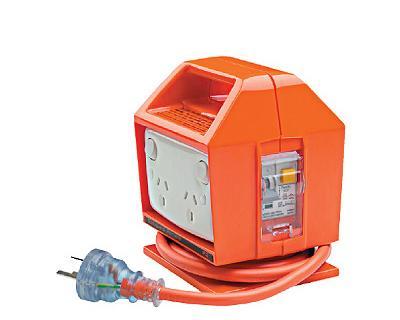
What Is an RCD (Residual Current Device)?
An RCD is a life-saving electrical safety device designed to detect dangerous disruptions to electrical current flow — particularly those caused by electric shock or electrocution. When a fault is detected, the RCD switches off the power within milliseconds, protecting people from serious injury or death.
RCDs come in two main types:
- Fixed RCDs — installed in your switchboard or power points, protecting specific circuits throughout your building
- Portable RCDs — used with individual appliances or power tools, particularly in high-risk or construction environments
RCDs can fail over time due to age, damage, or electrical surges. A safety switch that doesn’t actually switch off when needed provides no protection at all. Regular testing is the only way to confirm your RCDs will work in an emergency.
Is RCD Testing Mandatory in Australia?
Yes. Under the Harmonised Work Health and Safety (WHS) Regulations, the inspection, testing and tagging of RCDs is mandatory for all circuits protecting items in a hostile environment. A hostile environment includes construction sites, manufacturing facilities, outdoor locations, kitchens, and any workplace where electrical equipment may be exposed to moisture, heat, physical damage or contamination.
Even in non-hostile environments, regular RCD testing is considered best practice and is strongly recommended to meet your duty of care obligations under WHS legislation.
Requirements vary slightly by state. ATS technicians are trained in the specific regulatory requirements of each state and territory, ensuring your business remains compliant wherever you operate.
How Often Should RCDs Be Tested?
The required frequency of RCD testing depends on the type of RCD and the work environment:
- Construction industry: Fixed RCDs — every 3 months. Portable RCDs — monthly (or before each use in high-risk situations)
- Manufacturing and industrial environments: Typically every 6 months
- Commercial offices and low-risk environments: Annually, or as specified in your WHS management plan
- Hostile environments: As required under AS/NZS 3760:2022 and applicable state legislation
ATS will assess your specific workplace and advise on the correct testing frequency for your situation.
Who Conducts ATS RCD Testing?
All ATS RCD testing is conducted by fully qualified and licensed technicians who are trained in accordance with AS/NZS 3760:2022 and the relevant WHS legislation in each state and territory. ATS technicians hold the necessary competencies, certifications and licences required across all Australian jurisdictions.
ATS operates nationally, making us the preferred RCD testing provider for multi-site businesses across Australia. Our clients include large national retailers, aged care providers, councils, schools, government departments and hospitality businesses.
Frequently Asked Questions — RCD Testing
What is the difference between an RCD and a circuit breaker? A circuit breaker protects your electrical wiring from overload or short circuit. An RCD (safety switch) protects people from electric shock by detecting leakage current to earth. Both serve different purposes and both are required in most modern Australian workplaces.
What happens if an RCD fails its test? If an RCD fails during testing, ATS will clearly document the fault and advise on the required remedial action. Depending on the nature of the failure, the RCD may need to be replaced by a licensed electrician. ATS can assist with coordinating repair or replacement.
Can ATS test RCDs at multiple sites across Australia? Yes. ATS is one of the few national providers with technicians in every state and territory, making us uniquely positioned to manage RCD testing compliance across large multi-site operations from a single provider with a single reporting system.
What standard does ATS test to? ATS tests in accordance with AS/NZS 3760:2022 — the current Australian and New Zealand Standard for in-service safety inspection and testing of electrical equipment.
Book RCD Testing with ATS
Appliance Tagging Services provides RCD testing nationally across Australia. Call 1300 287 669 or use our online quote form to arrange a visit from a local ATS technician.

Get a free quote
"*" indicates required fields
what our clients say…
Very pleasant and efficient. Excellent scheduling and communication.
Australia Post, Tweed Heads
Technicians are so easy to work with. They use their initiative and work hard to get to the job done.
Allity Aged Care, NSW
Technician arrived on site and completed the works with minimal disruption.. Thanks!
Georges River Council, Sydney